

Many teams exploring contract packaging also encounter contract manufacturing and wonder how the two services differ. Both support CPG operations and both help brands scale, yet they play very different roles in the production process. Understanding this distinction helps brands choose the level of support that aligns with their goals, timelines, and internal capabilities.
Whether you are launching a new product, expanding into retail, or preparing for higher demand, choosing the right partner can significantly impact speed, cost, and long-term growth.
What Is Contract Packaging
Contract packaging focuses on packaging finished or semi-finished products. A contract packager handles the steps required to prepare a product for retail or distribution.
A contract packaging partner typically provides:
- Filling for liquids, powders, solids, or pastes
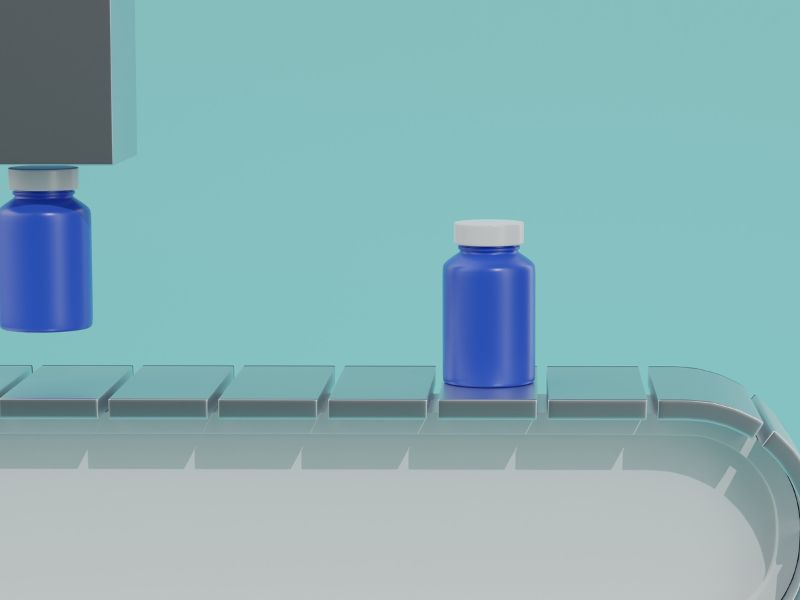
- Packaging into bottles, jars, pouches, stick packs, or bulk formats
- Labeling and coding
- Sealing and inspection
- Case packing and palletizing
- Retail ready preparation
- Fulfillment or storage support
Contract packaging begins after the product is already developed or blended. It is the final, consumer-facing step in the production process.
This service is ideal for brands that already produce or source their formulas and simply need support bringing packaged goods to market.
What Is Contract Manufacturing
A contract manufacturer manages production at an earlier stage. This partner creates or processes the product itself based on the brand’s formula or specifications.
A contract manufacturer typically supports:
- Ingredient sourcing
- Blending or mixing of powders, liquids, or pastes
- Heating, cooling, or homogenizing
- Batch production
- Quality and compliance checks
- Transfer of finished product to packaging lines
Contract manufacturing is often the right choice when the brand needs help producing the product itself, not just packaging it.
Where Contract Packaging and Contract Manufacturing Overlap
Although these services operate at different stages, there is significant overlap. Many of the strongest partners, including MaxUS, support both.
Here is where the two services commonly intersect:
Integrated Production and Packaging
Some partners blend or mix a formula and then immediately fill it into jars, bottles, or pouches. This reduces handoffs and shortens lead times.
Quality Assurance and Compliance
Both contract packagers and manufacturers follow strict QA processes, including:
- Traceability
- Metal detection
- Checkweighing
- Label verification
- Documentation for audit needs
Flexible Packaging Formats
Contract manufacturers who also package can support:
- Stick packs
- Sachets
- Pre-made pouches
- Bottles or jars
- Bulk containers
The overlap becomes even more valuable when brands want a one-stop partner who can manage the full journey from raw materials to retail-ready goods.
Key Differences Between Contract Packaging and Contract Manufacturing
Understanding the distinctions helps brands match their needs to the right type of partner.
1. Stage of Production
Contract packaging:
Begins with finished or semi-finished product. Focuses on packaging and preparing goods for shipment.
Contract manufacturing:
Begins with raw ingredients. Focuses on creating or processing the product itself.
2. Level of Formula Involvement
Contract packaging:
Does not require access to proprietary formulations.
Contract manufacturing:
Works directly with brand-owned formulas and product development teams.
3. Scope of Services
Contract packaging:
Packaging, labeling, sealing, inspection, and fulfillment.
Contract manufacturing:
Mixing, blending, processing, batching, and sometimes packaging.
4. Equipment Requirements
Contract packaging:
Fills and packages using specialized lines such as stick pack machines, pouch fillers, or bottle lines.
Contract manufacturing:
Involves kettles, mixers, blenders, tanks, and processing systems.
5. Ideal Use Cases
Choose contract packaging when:
- You already have your formula
- You need flexible packaging formats
- You need help with labeling, sealing, or coding
- You want a faster route to retail
Choose contract manufacturing when:
- You need support producing the formula
- Your product requires specialized processing
- You want consistent batching at scale
- You want to reduce internal manufacturing load
Which Option Should Your Brand Choose
Your choice depends on your brand’s needs, timeline, and growth stage.
Contract packaging is best for:
- Growing brands needing packaging support
- Companies entering retail for the first time
- Teams producing in-house but needing help with final packaging
- Brands scaling a ready-made formula
Contract manufacturing is best for:
- Formulas that require precise blending or temperature control
- Brands expanding production volume quickly
- Teams with limited internal processing equipment
- Complex formulas that need consistent, high-quality batching
Many brands use both, either simultaneously or at different stages of growth.
How MaxUS Supports Both Models
MaxUS provides both contract manufacturing and contract packaging under one roof, giving brands seamless, flexible support across the entire production process.
Our capabilities include:
- Blending and mixing for powders, liquids, pastes, and granules
- Clean room environments for sensitive formulations
- Automated filling and packaging lines
- Stick packs, pouches, jars, bottles, and bulk formats
- Retail ready and bulk packaging
- Expert fulfillment solutions
- Engineering support to customize systems
This integrated approach reduces handoffs, shortens lead times, and ensures consistency from start to finish.
Key Takeaways
- Contract packaging focuses on packaging and preparing finished goods for distribution.
- Contract manufacturing focuses on producing or processing the product formula.
- The two services overlap in QA, packaging flexibility, and integrated production.
- Your choice depends on formula needs, internal capacity, and long-term goals.
- MaxUS supports both services to help brands scale confidently.
If your team is deciding between contract packaging and contract manufacturing or needs support across both, MaxUS can help. Our flexible systems and partner-focused approach give CPG brands the operational strength they need to grow.
Connect with our team to explore a solution tailored to your product and goals.