

Agility and speed can make or break a business. Whether you’re a well-funded startup looking to market quickly or a large CPG brand needing a small-run solution, private label manufacturing offers a powerful and flexible pathway forward.
Private label manufacturing allows businesses to outsource the production of goods under their brand name, leveraging a third-party manufacturer’s capabilities, certifications, and expertise to bring high-quality products to market faster and more efficiently.
Why Private Label Manufacturing Works
1. Speed to Market
For startups with a limited internal team or established brands testing a new SKU, time is critical. Third-party manufacturing dramatically reduces the time it takes to launch. Products can be produced quickly without the need to build internal infrastructure or procure raw materials from scratch.
2. Reduced Risk & Lower Capital Investment
Building your own facility or production line is expensive and time-consuming. With private label manufacturing, you eliminate the overhead. This model is especially attractive for startups with newly acquired investment capital—they can allocate resources to branding, customer experience, and leadership growth instead of manufacturing costs.
3. Flexible, Scalable Production
Whether you need 10,000 units for a regional test or 1 million for a national rollout, third-party manufacturing allows for scaling up or down, without added complexity. For supply planners and contract manufacturing managers inside larger CPG companies, this is an ideal solution for pilot runs, seasonal SKUs, or unexpected spikes in demand.
4. Built-In Expertise and Compliance
Reputable private label manufacturers have built-in certifications (like SQF, Organic, Kosher, and Gluten-Free), quality assurance teams, and regulatory experience. That means your product is in capable hands, freeing up your internal team to focus on leadership, innovation, and growth.
5. Focus on What Matters Most
For startups and fast-growing brands, private label manufacturing allows you to stay focused on your core mission: building a business. Instead of worrying about production timelines or packaging runs, your team can prioritize leadership development, brand growth, and customer relationships.
6. A Proven Model for CPG
In the household, automotive, candy, food, and beverage industries, private label is already a trusted solution. From big-box retailers to boutique brands, many companies use a packaging partner to test, scale, and deliver high-quality products to their consumers quickly and confidently.
Whether you’re a founder navigating rapid growth or a seasoned contract manufacturing manager juggling a short-term production gap, private label manufacturing offers speed, flexibility, and expert execution. It’s an innovative solution for getting your product to market without slowing your business down.
When you’re ready to move fast and stay focused, call MaxUS Operations. We’re your premier private label manufacturing partner, and we’ll help you get your product to market faster.
Many brands exploring private label manufacturing quickly discover that it is often compared to contract manufacturing, even though the two models operate very differently. Understanding these differences helps CPG leaders choose the model that aligns with their goals, market strategy, and long-term growth plans.
Both models can be effective. The key is choosing the one that provides the level of control, customization, and speed your brand needs.
What Is Private Label Manufacturing
Private label manufacturing is when a manufacturer produces a ready-made product that retailers or brands can purchase and sell under their own label. The manufacturer owns the formula, controls the production process, and handles most of the operational details.
From a brand perspective, private label offers:
- A fast entry into the market
- Lower development costs
- Predictable pricing
- Minimal investment in R&D
- A pre-tested formula or product structure
- Easy onboarding for new SKUs
Most private label programs provide a limited range of formulas and packaging options, which keeps cost low but reduces customization.
What Is Contract Manufacturing
Contract manufacturing is a more customized model. The brand owns the formula or product concept, and the contract manufacturer produces it according to the brand’s specifications. Unlike private label manufacturing, the product is not pre-made or owned by the manufacturer.
Contract manufacturing supports brands that want:
- Complete control of the formula
- Custom packaging formats
- Scalable production
- Larger variety of product types
- More flexibility in ingredients or formulations
- A partner who supports blending, filling, packaging, and sometimes fulfillment
This model is ideal for companies with unique product identities or brands that require specialized production capabilities.
Private Label vs. Contract Manufacturing: Key Differences
Both models offer advantages. The choice depends on your growth stage, investment level, and how much ownership you want over your product. Below are the most important differences.
1. Product Ownership
Private label manufacturing:
The manufacturer owns the formula and controls the product specs. Brands simply apply their label.
Contract manufacturing:
The brand owns the formula and controls product development.
This is often the biggest deciding factor for CPG leaders.
2. Customization and Flexibility
Private label:
Limited customization. Brands choose from a predefined menu of options.
Contract manufacturing:
Highly customizable. Brands can adjust flavor, texture, packaging, materials, and more.
If your product needs to stand out, contract manufacturing provides the flexibility required.
3. Cost Structure
Private label:
Lower upfront costs. No R&D or formulation spending.
Contract manufacturing:
More investment in development and testing but often lower unit costs at scale.
Brands looking for long-term margin control usually prefer contract manufacturing.
4. Speed to Market
Private label:
Very fast because the product already exists.
Contract manufacturing:
Slightly longer due to formulation, testing, and packaging development.
For a retailer or startup with limited time, private label can provide a quick start.
5. Scalability
Private label:
Scales within the limits of the manufacturer’s formulas and equipment.
Contract manufacturing:
Highly scalable with room for new SKUs, variations, and packaging formats.
Brands with rapid growth or seasonal fluctuations typically choose contract manufacturing for this reason.
6. Brand Identity and Differentiation
Private label:
Products may be similar to competitors using the same formulas.
Contract manufacturing:
Unique products and ingredients provide a stronger competitive advantage.
If differentiation matters, contract manufacturing is the stronger long-term choice.
When to Choose Private Label Manufacturing
Private label may be the best fit when:
- You want to enter the market quickly
- You are testing a new category
- You have a limited budget
- Formula ownership is not a priority
- You want predictable cost and low operational complexity
Retailers often rely on private label to round out their assortment while keeping cost low.
When to Choose Contract Manufacturing
Contract manufacturing is the best option when your goal is to build a strong, scalable brand with a unique product offering. It is ideal for:
- Companies that own their formulas
- Brands that want to stand out on shelves
- Products requiring special handling or equipment
- Businesses with long-term growth plans
- Teams that need flexible batch sizes
- CPG products that evolve over time
This model supports greater control and offers more strategic advantages as brands scale.
How MaxUS Supports Both Paths
At MaxUS, our focus is on providing customized support for brands that want to build high-quality products. We work closely with companies using private label contract manufacturing as well as those transitioning to full contract manufacturing when they outgrow generic formulas.
MaxUS supports your operation with:
- Blending and mixing across powders, liquids, pastes, and granules
- Flexible and rigid packaging formats
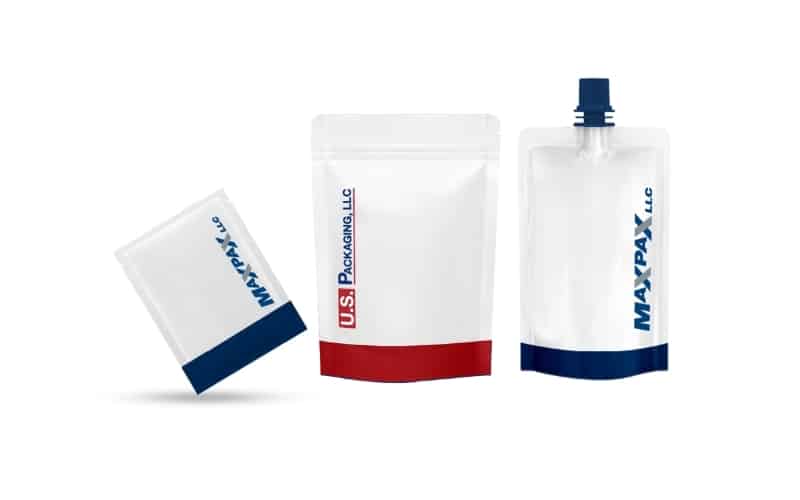
- Stick packs, pouches, bottles, and jars
- Clean room environments
- Automated filling lines
- Retail-ready packaging and fulfillment
- Engineering support for complex product requirements
Our goal is to help brands operate with confidence and bring better products to market with speed and precision.
Key Takeaways
- Private label manufacturing offers fast, low-cost entry into the market.
- Contract manufacturing supports high customization and long-term brand differentiation.
- Both models offer value depending on your strategy and growth goals.
- MaxUS provides flexible support for brands choosing either path.
If you are deciding between private label and contract manufacturing or preparing to scale your own formula, the MaxUS team can help. We specialize in flexible, high-quality production that grows with your brand.
Connect with us to explore a solution that fits your goals and timeline.