


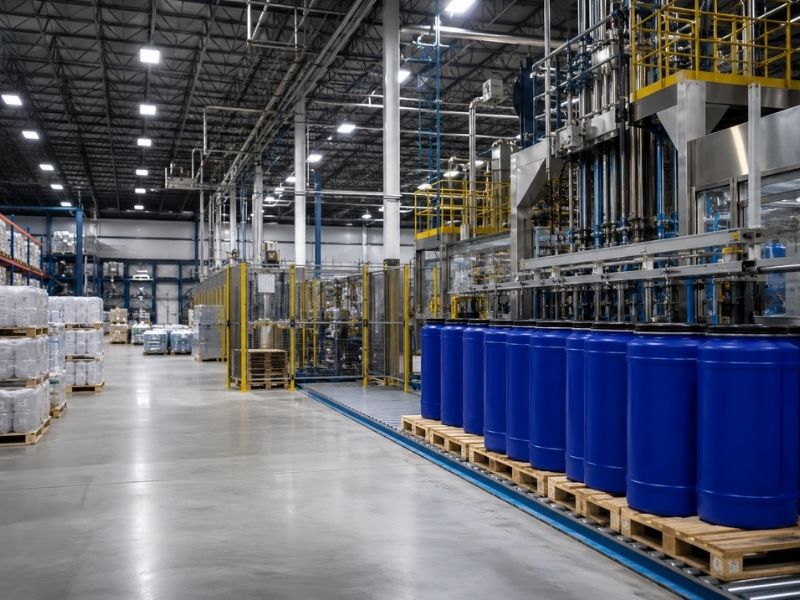
Packaging operations rarely fail in obvious ways. The real cost shows up slowly, in delays, inefficiencies, and missed opportunities that compound over time.
What looks like a minor issue today can become a major constraint as your business grows. The challenge for operations leaders is not just fixing problems. It’s identifying them early, before they impact performance.
Why Inefficiency Is Hard to Spot
Most inefficiencies do not appear as a single failure point.
Instead, they show up as:
- Slight delays in production
- Small inconsistencies in output
- Increased coordination between teams
- Gradual increases in cost
Because these issues are incremental, they are often overlooked until they begin to affect timelines and scalability.
Where Costs Start to Add Up
Inefficient packaging operations create costs across multiple areas.
1. Production Delays
Even minor slowdowns can impact overall output.
Common causes include:
- Bottlenecks in specific stages of packaging
- Longer changeover times between SKUs
- Misalignment between production and packaging schedules
These delays reduce throughput and limit your ability to meet demand.
2. Labor Inefficiencies
Labor costs often increase as systems become less efficient.
Signs include:
- Increased reliance on overtime
- Underutilized staff during certain stages
- Overworked teams during peak periods
Inefficiency creates an imbalance, which affects both cost and performance.
3. Equipment and Downtime Costs
Equipment that is not optimized for current demand can create hidden costs.
These include:
- Increased maintenance requirements
- Downtime between runs
- Reduced output due to inefficiencies
As volume increases, these issues become more expensive.
4. Missed Revenue Opportunities
One of the most overlooked costs is lost opportunity.
When packaging operations slow down:
- Product launches are delayed
- Retail opportunities are missed
- Customer demand goes unmet
These costs are not always visible in operational reports, but they directly impact growth.
5. Increased Complexity
As inefficiencies grow, operations become more complex.
This leads to:
- More time spent managing processes
- Greater reliance on coordination between teams
- Increased risk of errors
Complexity is not just a challenge. It is a cost driver.
Early Warning Signs to Watch For
Identifying inefficiencies early allows you to act before they escalate.
Look for:
- Frequent schedule adjustments
- Delays that are becoming more common
- Increased internal coordination effort
- Declining consistency in output
- Rising operational costs without increased production
These signals indicate that your packaging operations may not be keeping up with your growth.
Why Waiting Makes It More Expensive
The longer inefficiencies go unaddressed, the more costly they become.
Over time:
- Small delays turn into larger bottlenecks
- Labor costs continue to rise
- Equipment strain increases
- Operational complexity grows
What could have been a simple adjustment becomes a larger operational challenge.
When It Makes Sense to Outsource Packaging
In some cases, improving internal systems is not enough.
Outsourcing packaging can help when:
- Internal capacity is limited
- Demand is increasing faster than your systems can handle
- Coordination complexity is slowing execution
- Costs are rising without improved performance
Choosing to outsource packaging shifts the execution burden to a partner built for scale.
How to Improve Packaging Operations Before They Break
To stay ahead of inefficiencies, focus on:
- Simplifying processes wherever possible
- Identifying and eliminating bottlenecks
- Standardizing workflows across teams
- Investing in systems designed for scalability
- Leveraging external support when needed
These steps help create a more stable and efficient operation.
A Smarter Approach to Operational Efficiency
High-performing operations do not wait for problems to become obvious.
They:
- Monitor performance continuously
- Address small issues early
- Build systems that support growth
- Stay flexible as demand changes
Efficiency is not a one-time improvement. It is an ongoing process.
Choose a Top Packaging Partner
Inefficient packaging operations create hidden costs that grow over time.
If your operation is becoming more complex or costly, MaxUS Operations can help you identify inefficiencies early and build a system that supports long-term performance and scalability.