


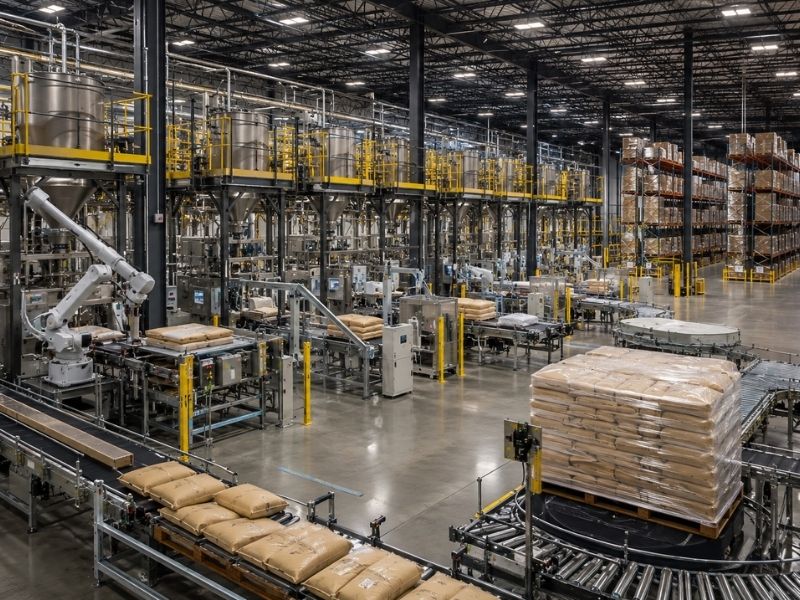
Packaging operations are tested most when demand spikes without warning.
A new retail opportunity. A seasonal surge. A product that suddenly takes off. These moments create pressure across your entire system. What matters is not just how much you can produce, but how quickly you can adapt.
In large scale packaging, the ability to respond to sudden demand is what separates controlled growth from operational chaos.
Why Demand Spikes Break Packaging Operations
Demand spikes don’t create problems. They expose them.
Common issues include:
- Production lines already operating at full capacity
- Limited flexibility to shift schedules
- Bottlenecks at specific stages of packaging
- Increased reliance on manual processes
When packaging operations are not built for variability, even short-term increases in demand can cause delays.
Build for Flexibility, Not Just Efficiency
Many systems are designed for consistent output, not sudden change.
Efficient operations focus on:
- Predictable production schedules
- Standardized processes
- Stable volumes
But demand spikes require flexibility.
What That Means
To handle fluctuations, packaging operations must:
- Adjust quickly to changing volume
- Support multiple SKUs without major disruption
- Scale production up or down without rebuilding the process
Flexibility allows you to respond without slowing down.
Eliminate Bottlenecks Before They Matter
Bottlenecks are often manageable at normal volumes. During demand spikes, they become critical.
In large scale packaging, bottlenecks commonly occur at:
- Filling stages
- Labeling processes
- Final packaging and assembly
These points limit how quickly you can increase output.
How to Fix It
- Identify constraints in your current system
- Optimize workflows across all production stages
- Balance capacity so no single stage slows the entire process
Removing bottlenecks creates a smoother path for scaling.
Standardize Processes Across Packaging Operations
Variability slows response time.
When processes differ across teams or SKUs, it becomes harder to adjust quickly.
Standardization helps by:
- Reducing confusion during high-pressure situations
- Allowing teams to shift between tasks more easily
- Improving consistency across production runs
What to Focus On
- Clear procedures for each stage of packaging
- Consistent setups for different SKUs
- Defined roles and responsibilities
Standardization creates stability, even when demand is unpredictable.
Use Automation to Support Scale
Manual processes limit how quickly operations can expand.
Automation helps packaging operations by:
- Increasing production speed
- Reducing variability in output
- Supporting consistent performance at higher volumes
In large scale packaging, automation is often the difference between keeping up and falling behind.
Plan for Scalable Labor Models
Labor is one of the first pressure points during demand spikes.
Challenges include:
- Limited availability of trained staff
- Increased reliance on overtime
- Reduced efficiency during peak periods
How to Prepare
- Cross-train employees to handle multiple roles
- Build flexible staffing plans
- Reduce reliance on manual processes where possible
A scalable labor strategy ensures your team can support increased demand without sacrificing performance.
Create Surge Capacity Without Overbuilding
Building excess internal capacity is not always practical.
Instead, many companies create surge capacity by:
- Partnering with external providers
- Using additional resources only when needed
- Expanding capabilities without long-term investment
This approach allows packaging operations to handle spikes without carrying unnecessary overhead.
Align Packaging With Production and Demand
Packaging should never lag behind production.
When demand increases, alignment is critical.
Ensure that:
- Packaging capacity matches production output
- Schedules are coordinated across all stages
- Communication flows between teams
Misalignment creates delays that compound quickly during high-demand periods.
Monitor and Adjust in Real Time
Demand spikes require active management.
Successful operations:
- Track performance continuously
- Identify issues early
- Adjust quickly based on real-time data
This allows teams to stay ahead of problems instead of reacting to them.
How High-Performing Operations Stay Ready
Operations that handle demand spikes effectively share common traits:
- Systems built for flexibility
- Processes designed for scale
- Clear ownership and accountability
- Access to additional capacity when needed
They do not rely on last-minute fixes. They prepare for variability from the start.
Packaging operations that can handle demand spikes are built, not improvised.
If your team needs to scale quickly without disruption, MaxUS Operations can help you create flexible, scalable systems that keep your production moving when demand increases.