


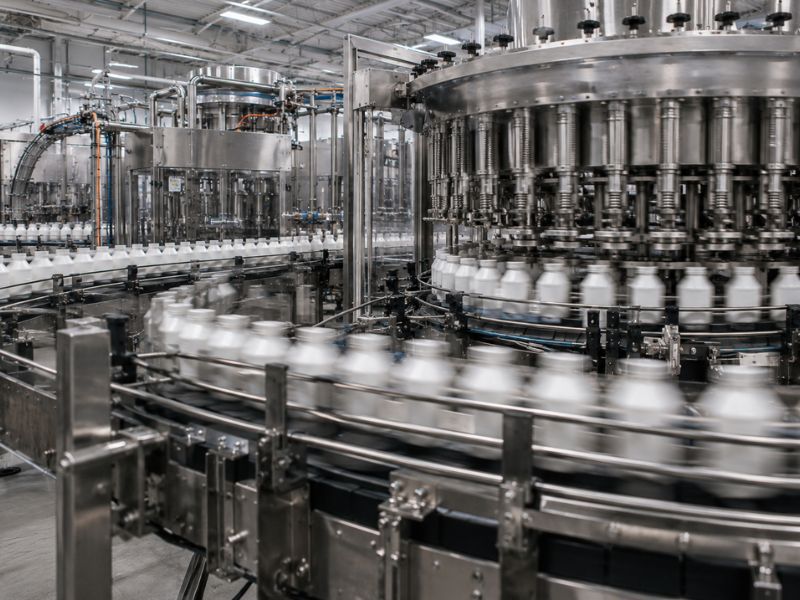
High-volume packaging exposes weaknesses that a small trial run never reveals. A contract packager for high-volume packaging needs equipment, staffing, and quality systems built for sustained output — not just a capacity figure on a sales sheet. Knowing what to verify before signing outsourced packaging services prevents the mid-run capacity shortfall that costs a brand shelf space and momentum.
Capacity Is the First Filter, Not the Last
Most contract packagers will say yes to a high volume packaging inquiry. The number worth verifying is what share of their current capacity your order would occupy, not just the maximum output they quote.
- Ask what percentage of a line’s total capacity your run would represent
- Ask how many concurrent SKUs or formats that line supports without changeover delays
- Ask whether existing customer commitments already fill the capacity you’re counting on
- Ask what a realistic lead time looks like once your order is layered onto current production
Equipment Range Across Formats
Large-scale packaging rarely means one format moving through a facility at a time. A contract packager built for volume typically runs multiple lines in parallel, so a spike in one format doesn’t stall production on everything else.
- Multiple lines running concurrently rather than one line serving every order type
- Equipment that handles format changeovers without extended downtime between runs
[Suggested image: Multiple packaging lines running in parallel inside a production facility — alt text: “contract packager for high-volume packaging production lines”]
Quality Systems That Hold Up at Volume
Quality control built for a thousand units doesn’t automatically hold at a million. Contract packaging applications running at high volume need checks built into the line itself, not added at the end of a shift.
- In-line inspection instead of end-of-run spot checks
- Documented deviation and correction procedures
- Consistent fill weights and seal integrity across every shift, not just the first
- Traceability records available if a retailer or regulator requests them
Labor Flexibility During Surges
A packaging operation built around a fixed headcount struggles the moment volume spikes past what that crew can run.
- Cross-trained staff who can shift between lines as order mix changes
- A track record of scaling labor up for seasonal or promotional surges without pulling capacity from other clients
Fulfillment Readiness After Packaging
Packaging is only half the job at high volume. If warehousing and fulfillment aren’t coordinated with the packaging schedule, finished product sits in a warehouse instead of shipping. A contract packager for high-volume packaging should be able to describe, specifically, how packaged product moves into storage and outbound freight — not just how it gets filled and sealed.
Questions to Ask Before You Sign
- What percentage of your current capacity would our order use?
- How do you handle format changeovers, and how long do they take?
- What quality documentation do you provide per production run?
- How do you staff for unplanned volume surges?
- Who manages the handoff between packaging and fulfillment?
FAQs
What capacity should a contract packager have before I trust them with a high-volume order?
There’s no universal number — what matters is how much of their existing capacity your order would consume and whether that leaves room for your future growth, not just your current order.
How do I know if a contract packager can handle format changes without slowing production?
Ask directly about changeover time between formats or SKUs. A packager running multiple concurrent lines typically handles this with far less disruption than one operating a single line for every job.
Should I ask about surge staffing before peak season?
Yes. A partner without a documented approach to scaling labor for seasonal spikes is more likely to miss a deadline exactly when volume matters most.
Does a contract packager’s location affect high-volume fulfillment speed?
It can, particularly for freight costs and delivery timelines to major distribution hubs, so location is worth factoring in alongside capacity and equipment during evaluation.
A Partner Built for the Volume You’re Growing Into
MaxUS Operations runs multiple concurrent lines across flexible, rigid, retail, and bulk formats, backed by fulfillment support once product is packaged. If you’re evaluating partners for a high-volume run, contact our team with your volume and timeline and we’ll walk through what fits.
Related reading: for general vendor-selection criteria, see How to Choose the Right Contract Packager for Your Product. For scaling strategy, see High-Volume Contract Packaging: How to Scale Without Adding Equipment or Overhead, and for common failure points at scale, see What Breaks First in Large-Scale Packaging Operations.